


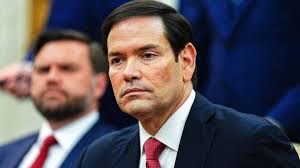
US Secretary of State Marco Rubio warned India during a telephone call on Friday, June 12, 2026, that any violations of the American military blockade or the illegal transport of Iranian oil through the Strait of Hormuz will not be tolerated. The critical warning followed escalating maritime friction, during which India’s External Affairs Minister, S. Jaishankar, initiated the conversation to register a fierce diplomatic protest over the recent US Navy missile strikes that killed three Indian mariners in the region.
The high-stakes discussion highlights growing geopolitical strains between Washington and New Delhi regarding commercial shipping safety and enforcement. During the phone call, Minister Jaishankar stated that lethal military actions against commercial merchant vessels are entirely unjustified. In response, Secretary Rubio firmly defended the position of the United States. He asserted that all global commercial ships transiting the strategic waterway must immediately comply with direct orders issued by American forces.
The United States Central Command previously enforced a naval blockade to halt the transport of Iranian oil and restrict revenues flowing to Tehran. This week, US forces disabled multiple tankers under foreign flags for allegedly attempting to bypass these strict sanctions. Three of the targeted merchant vessels carried Indian crew members, leading to the tragic deaths of three Indian seafarers off the coast of Oman.
The ongoing maritime conflict has created an increasingly volatile environment for global trade routes and energy markets. Ahead of the phone call, Indian authorities summoned the top US diplomat in New Delhi twice within a single week to lodge formal complaints regarding the naval strikes.
Despite the heavy operational friction and India’s concerns regarding the safety of its citizens at sea, the US State Department maintained that its actions are necessary to uphold peace and security within the international waterway. This growing policy divergence between the two nations emerges just days before a scheduled bilateral meeting between Indian Prime Minister Narendra Modi and US President Donald Trump at the upcoming G7 summit in France.

