


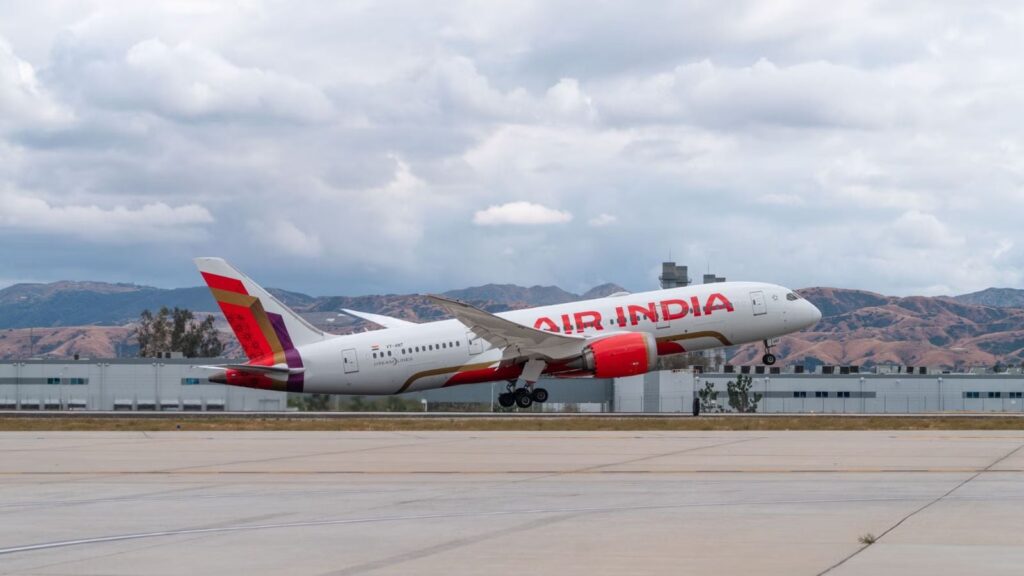
New Delhi, April 2026:Air India has renewed its aviation insurance policy with only a modest 10% increase in premium, even after one of the deadliest crashes in its recent history.The airline’s annual insurance premium has risen from approximately $30 million to $33 million, a relatively small jump considering the scale of losses from the June 2025 crash involving a Boeing 787 Dreamliner in Ahmedabad.The tragic accident claimed the lives of 241 passengers onboard and 29 people on the ground, making it one of the most severe aviation disasters in India. The total insurance liability from the crash is estimated at around $475 million, putting significant pressure on insurers.
Air India’s aviation insurance policy covers nearly $20 billion in total risk, including its fleet, passenger liability, and third-party damages. The airline operates a fleet of about 300 aircraft, with liability coverage alone standing at roughly $1.5 billion. Despite expectations of a steep rise, industry experts say several global factors helped keep the premium hike limited:Soft global insurance market: High competition among insurers has prevented sharp price increases.
Extensive reinsurance: Around 95% of the risk is shared with international reinsurers, reducing the burden on any single insurer.Strong underwriting capacity: Global insurance hubs, particularly in London, maintained stable pricing despite the large claim.Following the crash, analysts had predicted a premium hike of up to 30%, but the final increase remained far lower, highlighting the resilience and depth of the global aviation insurance market.The development underscores how large airlines like Air India are protected by complex international insurance networks, allowing them to absorb even catastrophic losses without severe financial disruption.While the 2025 crash dealt a heavy human and financial blow, Air India’s limited premium increase demonstrates the stabilizing role of global insurers and reinsurers in the aviation sector, ensuring operational continuity even after major disasters.

