


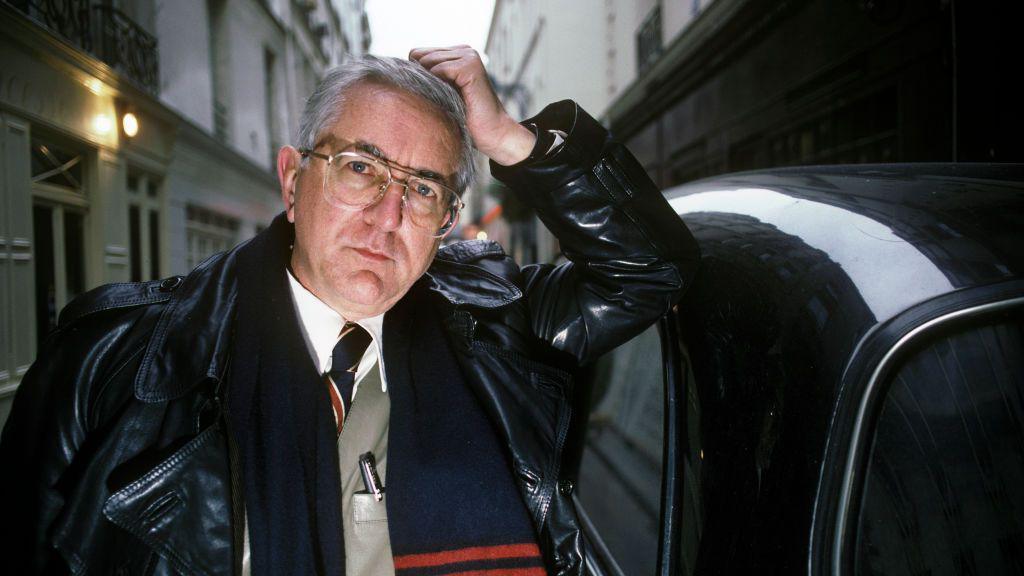
Len Deighton, the quiet architect of modern.spy thrillers is no more. Featured in the bestsellers list for decades, his novels were known for their tough stylish presentation of a cloak and dagger profession.
Ipcress Files, his debut novel was written to amuse himself in a vacation.It stated the story of a secret agent confronted with duplicity from his own side.
In fact Ipcress is the acronym for” Induction of Psyconeurises by Conditional reflex under Stress” It’s protagonist is unknown.
His works were an anti-thesis of Ian Fleming penned James Bond bestsellers. If Bond, a suave well dressed Englishman answered to what many of his countrymen wished to be post loss of an Empire, Deighton’s heroes answered to the description of the man in the street.
The hero of Ipcress Files, Deighton’s debut novel was a gritty civil servant, at home with office memos and bureaucratic rivalries. Indeed a sharp contrast to Bond, quick with a gun and fast with menus and of course girls.
It is a coincidence that in 1962 when Ipcress Files hit the stands with a few weeks of Fleming’s memorable creation, Dr No opened to full houses. Both left their imprint on public memory for if the James Bond novel made into a film became a runaway hit, Ipcress Files was a best seller.
It went on to sell more than two million copies leaving none in any doubt about Deighton’s penmanship. His position was secure in the realm of Cold War spy story writers.
Bond was always right and propaha be it in a navy blue suit or Sea Island tee shirt. Deighton’s protagonist, on the other hand is much more worldly.
He does not mind wearing ill fitting jackets. He wears glasses too.
His words and deeds are a pointer to the changing world. While Bond and his cronies bemoan their country becoming a minor power, hero of Deighton’s works solves crosswords, loves to rile his boss, cooks and enjoys the smell of roasted chickens stuffed with pine-nuts and spices.
His protagonists challenge the spy fiction’s hero mythology. That is why Deighton is in the ranks of authors like Eric Ambler and John Le Carre’.
Like two of great contemporaries, Deighton’s characters were men of flesh and blood..It helped them to be aware of the sacrifices and compulsions demanded by their profession.
Born in a working class family, Deighton grew up with a keen eye for the intricacies and absurdities of Britain’s class system. Arguably the understated wit of his works can be traced to this facet of his character.
He knew what he was writing about. He has done Britain’s mandatory national service in Royal Air Force.
His works drew their share of bouquets and brickbats. Bomber earned high praise as one of the finest post War British novels.
But this 1970 novel was pilloried for sympathizing with ordinary Germans at the receiving end of the British response to the Blitz. Deighton emerged as an unbiased writer who does not even root for his own country.
He had worked as a waiter and a pastry chef. His contribution to cooking often carried in print emanated from these experiences.
Deighton was a capable cook. His recipes, like his works were evocative ideas.

