


The government of West Bengal is facing pushback from various industrial firms, such as UltraTech Cement, Electrosteel Casting Limited, Grasim Industries, Nuvoco Vistas, and Dalmia Cement, over its choice to revoke industry incentives with retroactive effect. The Revocation of West Bengal Incentive Schemes and Obligations in the Nature of Grants and Incentives Bill, 2025, was approved by the Assembly in March and enacted on April 2, eliminating all incentives provided to industries since 1993. The purpose of the Act is to reallocate state finances towards social welfare programs for marginalized groups.
The companies affected have approached the Calcutta High Court, claiming that the Act is “unconstitutional” and “ultra vires.” For example, Electrosteel Casting’s appeal requests a ruling declaring the Act null and void. The court is scheduled to hear all the petitions together on November 7. According to officials, the state previously granted subsidies on taxes, land acquisition, electricity, and interest repayments, among other things.
The government’s action has ignited controversy, with detractors arguing that it will negatively impact investor confidence and industrial development in the state. Suvendu Adhikari, the Leader of the Opposition, has criticized the government’s decision, labeling it “economic sabotage” and asserting that it will push industries away from West Bengal. Conversely, the government defends the Act as essential to prioritize social welfare expenditures and aid disadvantaged communities.
“Industrial units in the State of West Bengal shall no longer be entitled to claim or demand or enforce past arrears or dues in relation to any incentives, including financial incentives, benefits, state support, subsidies, waiver of interest, duties, refund or exemption or remission or reimbursement of taxes, tax incentives, exemptions, advances or any other form of industrial promotional assistance of any nature whatsoever under the West Bengal Incentive Schemes and Grants and Obligations, or any incentives under any contract or agreement or promises or any law of the State Legislature,” the Act states.
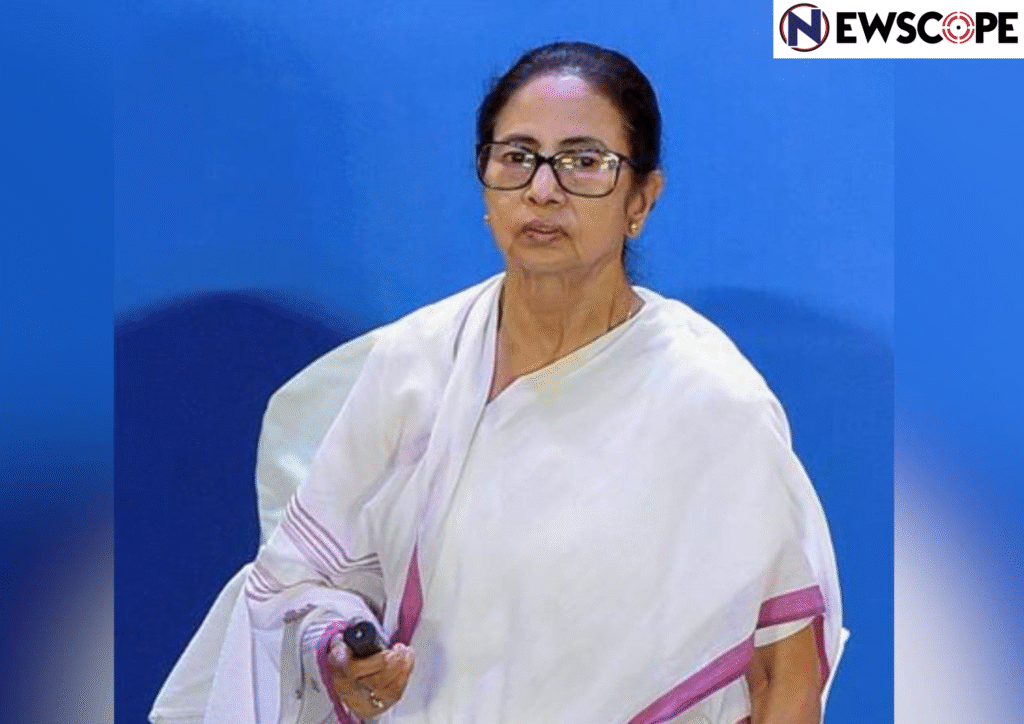
The West Bengal government’s choice to annul industry incentives with retrospective effect has ignited controversy, especially with the 2026 Assembly elections approaching. Critics contend that Chief Minister Mamata Banerjee is favoring welfare spending over industrial development, reminiscent of her previous position during the Singur and Nandigram movements against land acquisition. This change in emphasis is clear in the state’s budget allocations, which include substantial funding for social welfare programs, rural infrastructure, and healthcare. For example, the state has set aside Rs 41,000 crore for education and Rs 21,355 crore for healthcare.
Industrial companies, such as UltraTech Cement and Electrosteel Casting, have turned to the Calcutta High Court to contest the decision. A senior official confirmed that numerous firms have voiced challenges in sustaining their operations and noted that the government is developing a new industrial policy to address these issues. Nevertheless, the administration’s leadership maintains that providing subsidies to the underprivileged is more advantageous than supporting industrialists.
This policy shift is consistent with Banerjee’s focus on social welfare initiatives, like the “Nodi Bandhan” program, which seeks to improve livelihoods in river areas by connecting rivers and wetlands. The initiative is anticipated to enhance pisciculture, irrigation, and small-scale industries, possibly benefiting local communities and generating job opportunities.

