




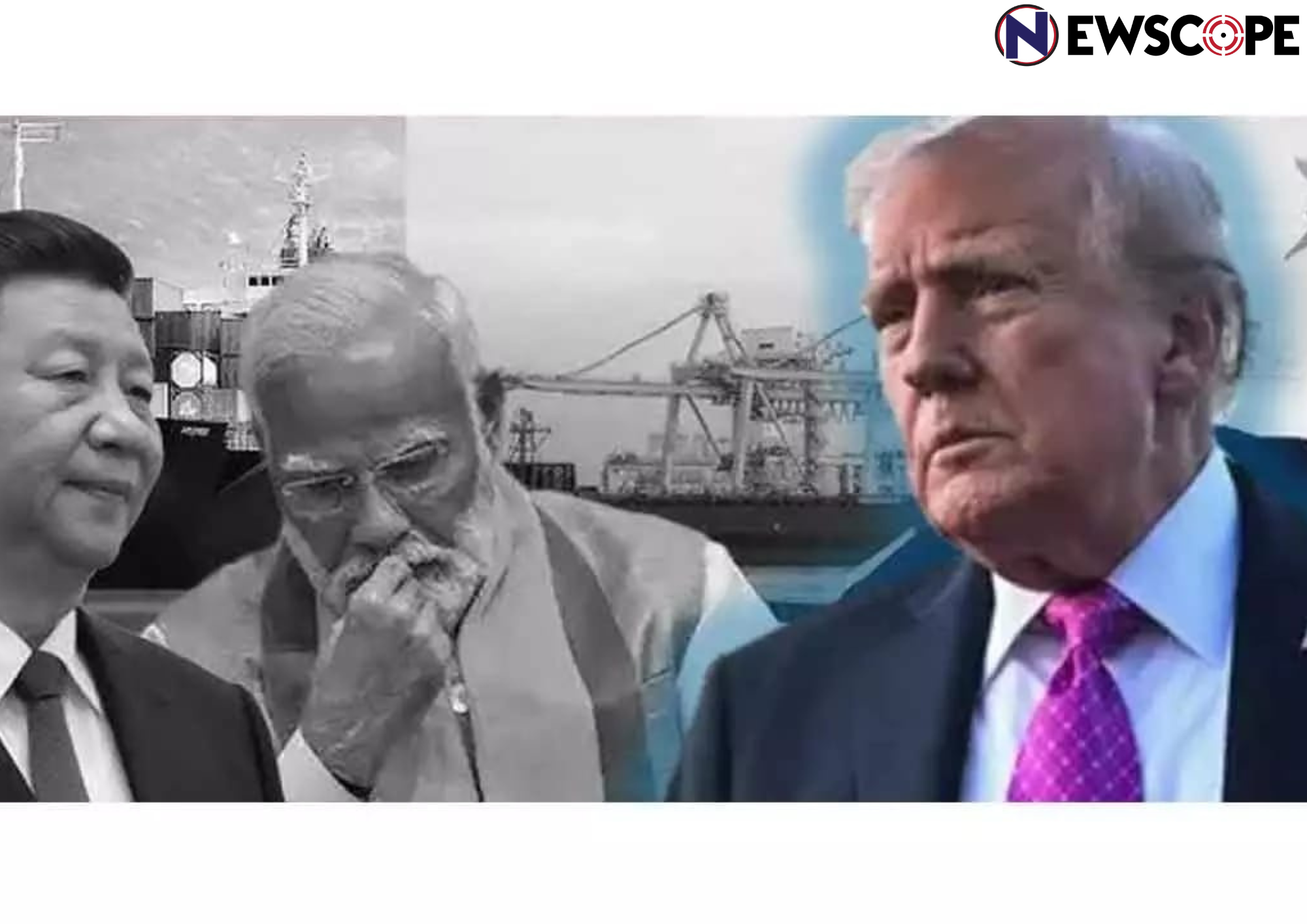
In a formal notification to the US Congress this week, US President Donald Trump has formally designated India as among the major drug transit and illicit drug producing nations in the world; alongside 22 other countries.
Trump declared India, China, Pakistan, Afghanistan, and numerous other countries in Latin America, Southeast Asia, and the Caribbean, either as major drug transit or major illegal drug producing countries. It is a title that comes along with continuous war on drug trafficking by the US administration, especially concerning global circulation of synthetic opioid drugs, including fentanyl.
India was mainly referred to as a drug transit state, which acted as a pathway to drugs and narcotics which were directed to the foreign markets such as the United States.
Five countries were also accused of not achieving their obligation of countering narcotics, and these countries included Afghanistan, Bolivia, Burma, Colombia, and Venezuela.
However, the US State Department made it clear that making it to the “Major List” does not necessarily indicate a weak stance of a country in terms of enforcing or cooperating with law enforcement, but identifies geographical, business, and economic issues that allow drug transportation or production to occur. This implies the listing of India is one of the wider US attempts to combat international drug threats and promote international cooperation.
The US embassy guaranteed the continued partnership with the Government of India in drug enforcement and law enforcement activities.
Individuals and organizations engaged in the trading of people may face consequences such as the loss of a visa and heightened monitoring.
The statement issued by Trump as a Presidential Determination is an effort to enlist international backing to stop the inflow of illicit substances, especially fentanyl, that have resulted in unprecedented overdoses in the US in the last year. The White House highlighted the need to have strong collaboration between governments, and in particular in light of the transnational character of drug trafficking threats.
Trump accused China of being the largest provider of preceptor chemicals used in the deadly synthetic opioids worldwide and demanded more decisive action on the part of Beijing.
In the case of Afghanistan, US ignored Taliban assertions of a ban in narcotics, which was supported by production and connection to financing of terrorism.
This is the news when the US is waging war on drugs with some of the measures that include border security reforms and international coordination. The US government statistics show that fentanyl and other synthetic opioids are the most dangerous substances that are trafficked into America, resulting in the deaths of tens of thousands of people every year.
In short, India being included on the US list is not so much a direct criticism of the government action but a realization of the fact that India is geographically important in drug transit in the whole world. This action will likely expand the US-India cooperation in anti-narcotics matters, and much focus will be put on the synthetic opioid threats.


