


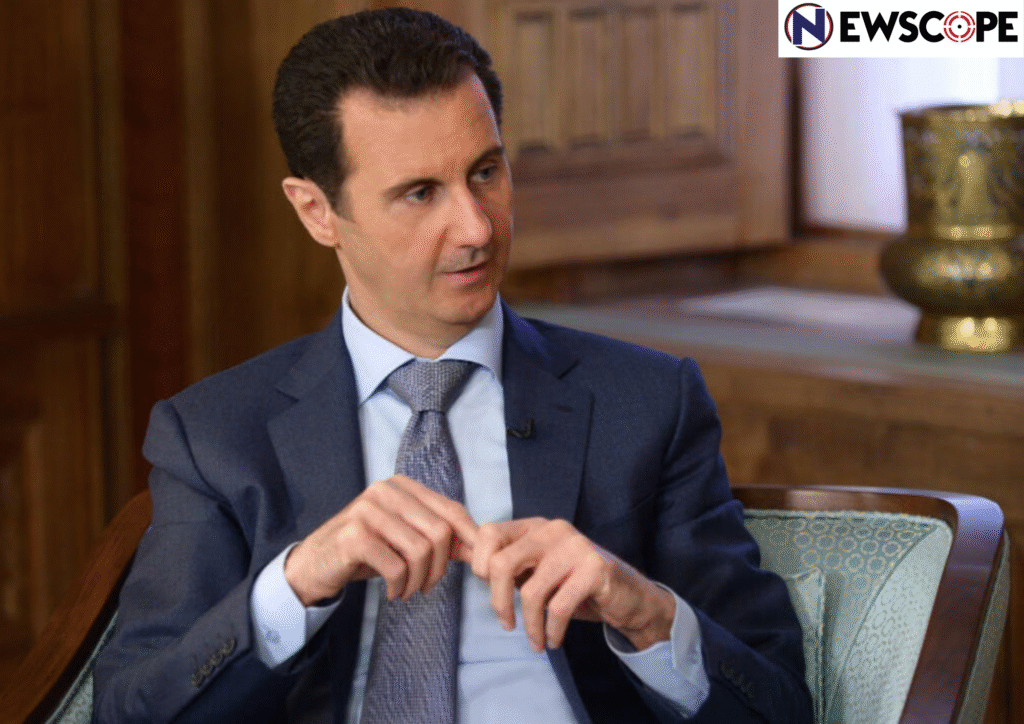
Over ten years after rockets struck a temporary press center in Homs, Syria, resulting in the deaths of two journalists and injuries to multiple others, French judges have made a significant decision. Seven European arrest warrants have been issued, including one for former Syrian President Bashar al-Assad, charging high-ranking officials with war crimes and crimes against humanity.
On February 22, 2012, Homs’ Bab Amr area was experiencing intense bombardment. Within a makeshift “press center,” international journalists had assembled to cover the plight of the civilian population. A building was struck by a rocket. Renowned American journalist Marie Colvin and French photographer Rémi Ochlik died immediately. French journalist Édith Bouvier, British photojournalist Paul Conroy, and a Syrian translator sustained serious injuries but managed to survive.
For years, victims and human rights organizations maintained that the assault was intentional. Currently, French investigators are in agreement. The Syrian Center for Media and Freedom of Expression reported that judges determined the attack was an intentional effort to silence foreign reporters. “The assault… was an evident objective of the Syrian regime to aim at foreign journalists to restrict media reporting on its offenses,” stated Mazen Darwish, the director of the center.
The warrants list not just Assad but also his sibling Maher al-Assad and five top security officials: Ali Mamlouk, Ali Ayoub, Ghassan Bilal, Mohamed Dib Zaitoun, and Rafik Mahmoud Shahadah. “The release of these seven arrest warrants is a significant move that clears the path for a trial in France,” stated Clémence Bectarte, attorney for the International Federation for Human Rights (FIDH) and the victims’ families.
The legal basis for this action is France’s capacity to prosecute crimes against humanity that occur outside its borders. The warrants were discreetly issued in August 2025 following a 13-year probe. It is unclear if any of the defendants will ever appear in court personally — yet the symbolism is significant. Survivors perceive it as a fissure in the barrier of impunity. “It marks the conclusion of a despicable impunity,” stated Édith Bouvier, remembering her own wounds from that day.
Bashar al-Assad has been in Russia since December 2024, following the capture of Damascus by rebels, which concluded over 50 years of rule by the Assad family. His location might hinder enforcement, but supporters insist the message is unmistakable: war crimes do not diminish with time.
For the relatives of Colvin and Ochlik, and for the injured who endured Bab Amr, this ruling presents something uncommon in the Syrian conflict — a sense of responsibility, and the anticipation that truth may endure beyond silence

