


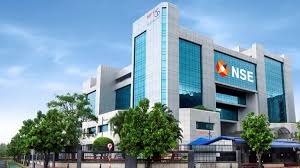
India’s benchmark indices ended Tuesday in the green, reversing early weakness as a temporary halt in Israel-Iran hostilities cooled crude prices and a Reserve Bank of India liquidity measure sparked a rally in financials.
The Nifty 50 closed at 23,242.10, up 119.10 points or 0.52%, after swinging from a day’s low of 23,104.45 to a high of 23,279.40. The BSE Sensex gained 456.74 points or 0.62% to settle at 73,981.00, recovering from intraday lows near 73,426.
The rebound came after Monday’s sharp sell-off, when the Nifty fell 1.04% to 23,123 and the Sensex lost 719 points. Sentiment got a lift as Brent crude eased to around $93.3/bbl from $97 ahead of Monday’s close, easing fears of imported inflation.
Banks Lead the Charge on RBI’s FCNR Swap Window
Financials were the standout gainers after the RBI opened a special FCNR(B) swap window till Sept 30, allowing banks to swap fresh foreign currency non-resident deposits with the central bank at 1.5% per annum.
The Nifty Bank index rose ∼1% in early trade, with Bank of Baroda, Bank of Maharashtra and Bank of India among top gainers. Analysts said the move lowers hedging costs and makes overseas borrowing more attractive, supporting credit growth.
“Nifty opened with a gap-up at 23,259 but faced resistance near 23,320. A break above that could open 23,450-23,500,” noted The Hindu BusinessLine’s technical outlook.
Business Headlines: Disinvestment, IPOs, and Sector Moves
1. Govt launches NLC India OFS
The Department of Investment and Public Asset Management opened a 3% offer-for-sale in NLC India at a floor price of ₹303/share, a 9.8% discount to Monday’s close. Non-retail investors bid on June 9, retail on June 10. The stake sale is part of the government’s ₹80,000 cr disinvestment target for FY27.
2. Airtel, Vodafone Idea get relief
The Bombay High Court struck down the Centre’s one-time spectrum charge on Bharti Airtel and Vodafone Idea, ruling the government lacked authority for retrospective changes.
3. H-1B relief for IT
A US federal judge struck down Trump’s $100,000 fee on new H-1B visas, calling it an unlawful tax. The decision is a “mild positive” for Indian IT firms, said Geojit’s VK Vijayakumar.
4. Industrial output, IPO pipeline
India’s industrial output grew 4.9% in April, led by manufacturing and capital goods. Meanwhile, Carlsberg eyes a $700 million India IPO and Zepto filed an updated DRHP for a ₹8,010 cr fresh issue.
Geopolitical Overhang: West Asia, China, and Border Talks
Geopolitics remained in focus as Iran and Israel said they had halted attacks on Monday after a US appeal, though Tehran warned it would resume strikes if Israel hit Hezbollah. The brief de-escalation helped equities globally, but analysts warn the truce is fragile.
India issued a fresh advisory urging citizens to avoid travel to Iran and leave through available routes. At the UN Security Council, India slammed Pakistan for “trade and transit terrorism” and deadly airstrikes in Afghanistan.
On the border front, a Bangladesh BGB delegation arrived in India for talks with the BSF amid rising push-in incidents along the West Bengal border. India also hosted the 11th BRICS Foreign Policy Dialogue in Delhi, focusing on energy transition and global governance reform.
RBI Flags Inflation Risks, Growth Moderation Ahead
The RBI’s June policy review kept the repo rate unchanged at 5.25% but flagged rising risks from West Asia conflict and oil prices. The central bank raised its FY27 inflation forecast to 5.1% and lowered growth to 6.6% from 7.7%.
India’s oil-and-gas import bill jumped 53% in April from March, with HSBC now seeing the BoP deficit improving by $30 bn after RBI measures. RBI Deputy Governor Swaminathan J said domestic activity remains resilient, backed by industrial and services growth.
Market Outlook: Range-Bound with Geopolitical Risks
Technical charts show Nifty facing resistance at 23,320 and support at 23,000. “Persistent FII selling may cap upside, but DII inflows could cushion declines,” said 5paisa.
Foreign investors sold ₹55.56 bn of Indian shares on Monday, marking the seventh straight session of outflows. Domestic institutions bought the dip, helping limit losses.
For now, markets are taking cues from oil and geopolitics. A sustained fall in crude below $93 and progress on the US-India trade deal could provide the next leg up.

