


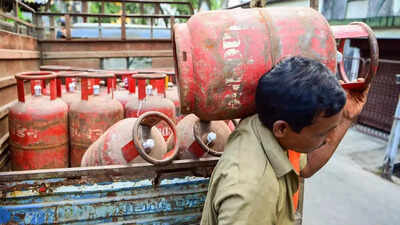
Indian households and businesses are facing a significant increase in cooking gas costs starting today, March 7, 2026. Domestic LPG cylinders (14.2 kg) have seen a nationwide price hike of ₹60, while 19-kg commercial cylinders have jumped by ₹115.
In the national capital, Delhi, a domestic cylinder now costs ₹913, up from ₹853.
Similar increases are reported in other metros, with prices reaching ₹912.50 in Mumbai, ₹930 in Kolkata, and ₹928.50 in Chennai.
This marks the first major revision in domestic rates since April 2025, ending a nearly year-long period of price stability for the common consumer.
The price hike arrives against a backdrop of severe geopolitical volatility in West Asia. Following a week of military escalations between the United States, Israel, and Iran, global energy markets have been rattled by potential disruptions in the Strait of Hormuz.
Despite the price increase, Union Minister for Petroleum and Natural Gas Hardeep Singh Puri reassured citizens that India’s energy security remains “very comfortable.
” In a statement on X, he emphasized that the government’s priority is maintaining affordable and sustainable fuel, stating there is no cause for panic regarding a shortage. To stabilize the situation, the Indian government has diversified its energy sources, increasing imports from the United States and utilizing a temporary 30-day waiver from the U.S. Treasury to purchase Russian oil currently stranded at sea.
This strategic move aims to bridge the supply gap caused by regional instability. While the price hike adds immediate pressure to middle-class household budgets and the hospitality sector, officials have directed refineries to maximize production to ensure uninterrupted availability.
For now, the subsidy for the 10 crore Ujjwala Yojana beneficiaries remains unchanged, providing a critical buffer for the country’s most vulnerable populations

