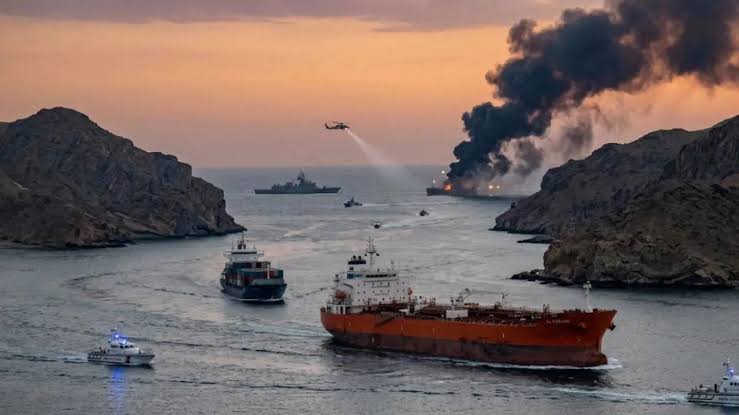
DUBAI — If the Strait of Hormuz was a pressure cooker, the lid just blew off. On Wednesday, April 22, 2026, the Islamic Revolutionary Guard Corps (IRGC) turned the world’s most vital energy artery into a shooting gallery, firing upon three commercial ships and seizing two.
The chaos erupted just hours after U.S. President Donald Trump announced an indefinite extension of a fragile ceasefire. For a moment, the world exhaled; then, the IRGC opened fire. According to the UK Maritime Trade Operations (UKMTO), the first strike targeted a container ship northeast of Oman.
IRGC gunboats reportedly swarmed the vessel without warning, raking the bridge with gunfire. While the crew miraculously escaped injury, the message was sent: “permission-based” transit is the new, violent reality.
By afternoon, Iranian state media confirmed they had hauled two more vessels—the MSC Francesca and the Epaminondas—into custody.
According to Tehran, they were “violating” Iranian sovereignty. The irony is thick enough to clog a tanker engine. While Washington talks of peace and extended truces, it continues to maintain a naval blockade on Iranian ports. Tehran’s response is a Middle Eastern standoff of “eye for an eye”: The US Stance: “Freedom of navigation” for everyone—except Iran.The Iranian Stance: If our ships don’t move, no one’s ships move.
The impact was felt instantly in the wallets of global consumers. Oil prices spiked 4% within hours of the reports, as maritime insurance rates for the Gulf skyrocketed. With nearly 25% of the world’s oil supply filtered through this narrow 21-mile stretch, the “ceasefire” looks more like a tactical pause before a much larger storm.
As of today, April 23, the Strait remains a ghost town. Shipping giants have ordered their fleets to drop anchor and wait. In the high-stakes game of maritime chicken, the world is currently losing.