


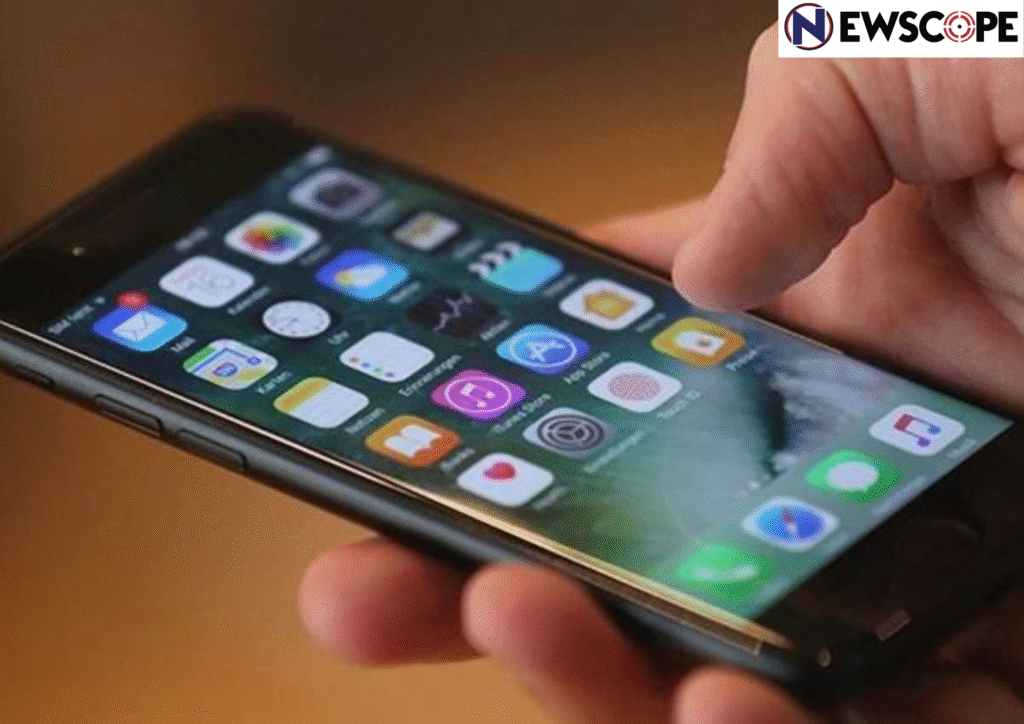
The census of the year 2027 is set to look quite different from the ones we have seen before. For the first time the enumerators will not carry thick bundles of paper forms or depend on any government devices but will be using their own smartphones to collect data from households throughout the country.
This step is being seen as an important move towards making the census faster, cheaper and more efficient. In earlier censuses, the government had to spend huge amounts of money printing forms, transporting them and later scanning and entering the data into computers. This process often took years but now by allowing enumerators to use smartphones, the government hopes to cut down on costs and also speed up the availability of results.
Officials have said that a special mobile application will be developed for this purpose and enumerators will be trained to use it. The app will allow them to directly enter information such as family size, age, gender, literacy ,etc . The data will then be uploaded securely to the central servers. This means that the information will be available almost instantly reducing the long delays we are used to.
There are also plans to ensure security and privacy. Since the data collected is sensitive the app will have multiple layers of protection. Enumerator’s phones will not be able to store the information permanently. Once uploaded, the data will be wiped from the device to avoid misuse.
Using personal phones is also expected to make the work easier for the lakhs of teachers and government workers who usually serve as enumerators. They will no longer have to carry heavy registers or worry about losing papers .
Experts are saying that this is an important step in digital governance. If it turns out successful then it will show how technology can make large-scale public exercises simpler and more reliable. This means that their participation in the census will be quicker, smoother, and less time-consuming for the public .

