


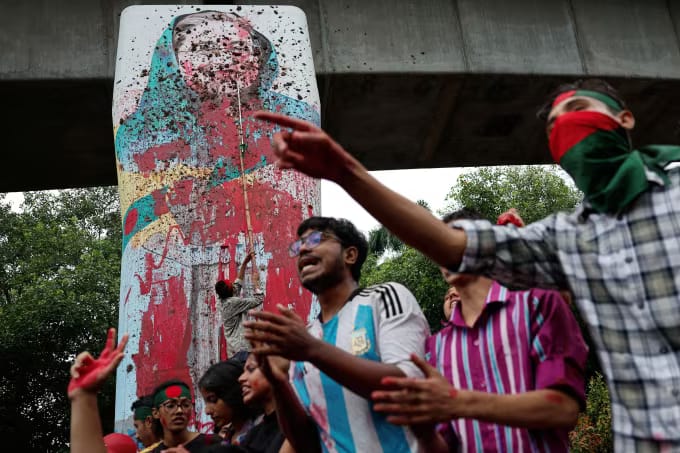
Youth voters, new political forces and everyday economic anxieties set the stage for a high-stakes national contest
On February 12, 2026, Bangladesh is heading to its most significant election in decades. After years of political stagnation and the dramatic ousting of Sheikh Hasina in 2024, the country is finally seeing a “real” contest. For many voters, this feels less like a routine ballot and more like a turning point. Nearly half of the country’s 127 million voters are between 18 and 37, making it one of the youngest electorates in the world. Many are participating in a genuinely competitive national election for the first time. This same generation played a central role in the student-led protests that forced Sheikh Hasina from power, and they are now demanding accountability, jobs and fair governance rather than political loyalty.
The political landscape has shifted dramatically. For the first time in 15 years, the Awami League is absent from the ballot after its registration was suspended. The vacuum has opened space for rivals. The Bangladesh Nationalist Party has emerged as the frontrunner, promising to restore democratic institutions and stabilize the economy. Meanwhile, Jamaat-e-Islami Bangladesh has regained visibility, positioning itself as a disciplined alternative. Newer groups formed by protest leaders are also offering voters a break from traditional dynasties. Despite campaign rhetoric, everyday concerns dominate conversations. Inflation and rising food prices remain the top worries, followed by corruption and the need for law and order after years of turbulence.
With new measures such as postal voting and a “none of the above” option, authorities hope to boost trust in the process. Ultimately, this election is not just about choosing a government, but about whether Bangladesh can chart a more stable and inclusive political future.

