


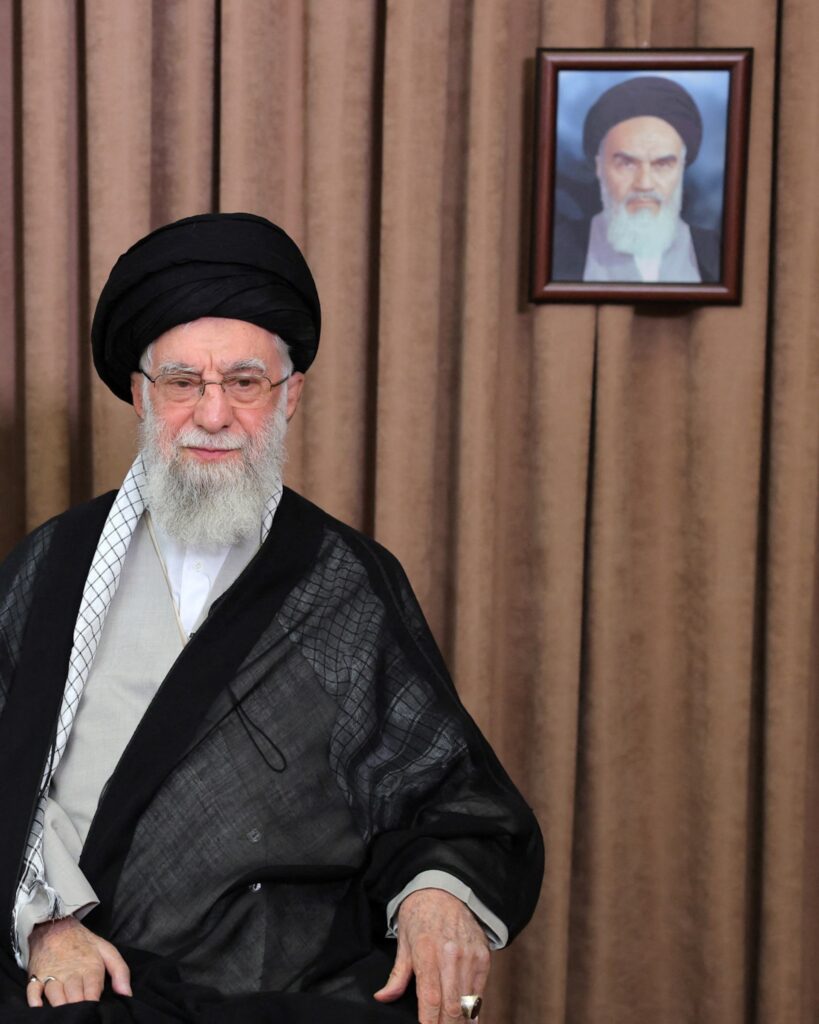
In a dramatic turn of events, Ayatollah Ali Khamenei, the supreme leader of Iran, was killed in a joint US-Israeli military strike.
The precision strike, which targeted Khamenei’s residence in the heart of Tehran, marks a significant escalation in the tensions between Iran and its adversaries.
Initial denials from the Iranian government were quickly overshadowed by confirming reports from state media. A spokesperson for the Islamic Revolutionary Guard Corps (IRGC) announced the death of the 86-year-old leader, who had been in power since 1989. The news sent shockwaves through the nation, sparking both grief and jubilation.
Khamenei’s rule was characterized by a hardline interpretation of Islamic law and a confrontational approach towards the West. His policies often led to international sanctions and internal dissent. The news of his death was met with mixed reactions from the Iranian public.
While some mourned the loss of their spiritual leader, others took to the streets in celebration, chanting slogans against the regime.The international community is now left to grapple with the aftermath of Khamenei’s death.
The United States and Israel, while celebrating the success of the operation, are braced for potential retaliation from Iran. The UN has called for restraint from all parties, warning against a full-scale regional war.
The future of Iran is now uncertain. With no clear successor, a leadership vacuum exists, and the status of President Masoud Pezeshkian remains unclear. The Iranian Vice President has reportedly stepped in as a temporary leader, but the real power lies with the IRGC.
The next few weeks will be crucial in determining the direction of the country.One thing is certain: the death of Ayatollah Khamenei marks the end of an era.
The impact of his death will be felt not just in Iran but across the Middle East and beyond.

